

Edinburgh Academic Conferences: A Complete Guide for Researchers
Edinburgh is not a city where you need a long plan to enjoy it. It is compact, well known for its academic life, and easy to move around when you have a full conference schedule. If your calendar includes an Edinburgh academic conference in June 2026, it helps to prepare in a way that supports both your research goals and your energy.
The 10th International Conference on Research in Business, Management and Finance is scheduled for June 26 to 28, 2026, in Edinburgh, Scotland. Many attendees will come for management and business research, including topics that connect to leadership, finance, strategy, and applied economics. In other words, you will not only attend sessions. You will also meet people who can shape your next steps.

Why Edinburgh Works Well for Researchers in June
One reason an academic conference in Scotland can feel smoother in Edinburgh is the city’s scale. Many key areas are close to each other, so you waste less time commuting and more time thinking, writing, or meeting people.
June is also a practical month. According to the Met Office website, long-term climate data for Edinburgh shows average June temperatures, with strong daylight and decent sunshine levels. Days are long near the summer solstice, which means you often still have light in the evening after sessions end. For researchers, that matters. You can plan a calm walk, a short meeting, or a quiet review of notes without feeling rushed.
From Call for Papers to Conference Day: Your Planning Timeline
Most researchers start with one question: when should I begin? A simple answer is this. As soon as the call for papers in Edinburgh appears, start planning backwards. Even if your paper is not final, early planning gives you better choices later, including travel timing, presentation format, and your personal schedule.
A useful timeline for an international conference in Edinburgh often has four steps.
First, prepare your abstract early. You want a clear research question, a short method summary, and one strong result or contribution. Second, keep your paper progress steady. Short writing sessions across several weeks are usually better than one long sprint. Third, prepare your presentation in parallel. That way, you do not treat presenting as an extra task at the end. Fourth, plan your “conference goals.” Choose two outcomes you want. For example, feedback on a specific part of your study, and two new contacts in your area.
This approach also keeps the keyword goal in mind. You are not only attending. You are positioning yourself to present research in Edinburgh with clarity and calm.
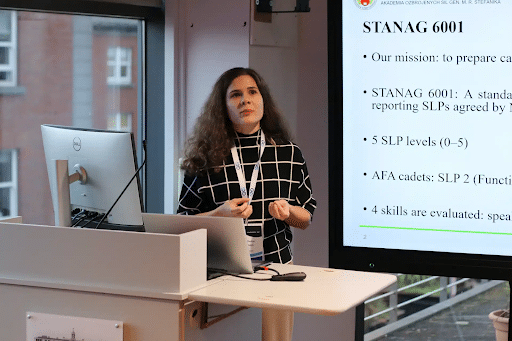
How to Present Research in Edinburgh With Confidence
A strong presentation is not about sounding perfect. It is about being easy to follow. At a management conference, your audience may include researchers from different areas. Some may focus on finance. Others may focus on organizational behavior. Some may be doctoral students attending their first Edinburgh academic conference.
The conference website explains that papers can be presented in different formats, including oral, poster, and virtual presentation options. Choose the format that supports your goals. If you want deep feedback, an oral presentation can work well. If you want many short conversations, posters can be very effective.
For slides, keep a simple structure. Start with the problem, then your question, then your method, then your main finding, then why it matters. For Q and A, prepare three “bridge” sentences that help you answer clearly, even when questions are complex. This is especially helpful when you present research in Edinburgh to an international audience with different accents and speaking speeds.
Venue and Daily Logistics: Make Your Schedule Easier
When you attend an academic conference in Scotland, small logistics can affect your day more than you expect. Research the venue If you know the venue area early, you can plan your mornings, breaks, and evenings with less stress.
A simple daily plan works best. In the morning, arrive early enough to settle, test your slides if you present, and find the key rooms. During breaks, choose one goal: either rest or speak to one new person. After sessions, keep your evening realistic. If you are attending an international conference in Edinburgh, you will likely have dinners, informal meetups, or networking moments. You do not need to attend everything. One good conversation is often more valuable than five quick greetings.
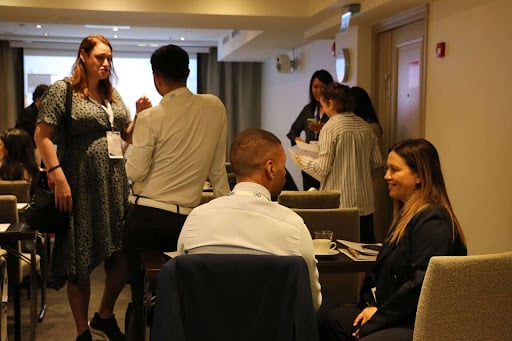
Networking Without Pressure: How Conversations Start
Many people hear “networking” and feel tired already. In reality, networking at an Edinburgh academic conference can be simple. Most useful connections begin with one honest question. What are you working on right now? What are you trying to solve? What kind of feedback do you need?
Edinburgh also supports low-pressure conversations because it is walkable. You can suggest a short walk after sessions, or a quiet coffee near the venue. This is often more comfortable than loud spaces, especially after a long day of listening.
If you want a practical approach, try this during your academic conference in Scotland. Speak to two people per day with a clear purpose. Then follow up within one week after the conference. A short message is enough. Mention what you discussed, and suggest one next step, such as sharing papers or scheduling a short online call.
Publication and Next Steps After You Return Home
For many researchers, publication is part of the reason they attend. The conference website highlights publication possibilities, including conference proceedings, and notes that submissions are checked for plagiarism using Crossref Similarity Check powered by iThenticate. This is a reminder to keep your work original, well-cited, and clearly documented.
After you return home, do not wait too long to use what you gained. Review your notes within three days. Make a short list of changes you want to apply. Then choose one output. It can be a revised paper section, a new research question, or a small pilot study. This is how a call for papers in Edinburgh turns into real progress, not just a busy weekend.