

How Conference Location Shapes Academic Impact: The Case for Edinburgh

Some conference cities feel like they only exist to host people for a few days. Edinburgh is different. It is a working academic city, and that changes what a conference can do for your research life.
If you attend an Edinburgh academic conference, you will notice something quickly. The city supports focused work, but it also supports reflection. That mix can influence the quality of your conversations, your feedback, and even your future collaborations. The ICRBMF management conference will be held from June 26 to 28, 2026, in Edinburgh, Scotland, which places it right inside the long daylight season, and in this article, we will examine how a combination of city, season, and event impacts the academic conference.
Why Location Changes What You Learn and Share
Academic impact is not only citations or a line on your CV. It also includes clarity, confidence, and relationships that support your next project. Location shapes these outcomes in quiet ways.
In a calm and walkable place, you often listen better. You ask better questions. You remember discussions more clearly. In June, Edinburgh typically has mild weather and long days, which can make it easier to stay present after sessions. This matters at any academic conference in Scotland, but it is especially helpful in management and business fields, where discussion and interpretation are central.
Edinburgh as an Academic Ecosystem, Not Just a Backdrop
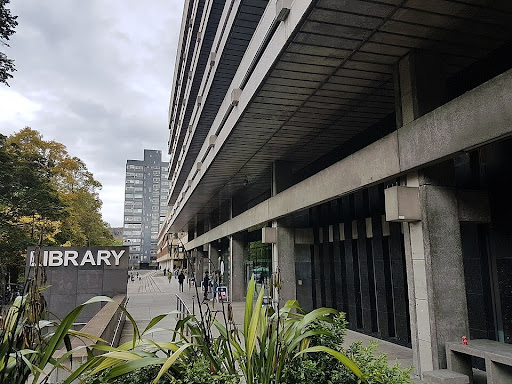
Edinburgh is widely seen as a global academic hub, and it hosts major international conferences across disciplines. That creates a visible academic atmosphere. You are not only inside a venue. You are in a city where students, researchers, libraries, and public talks are part of daily life.
For a management conference audience, this can raise the quality of exchange. People arrive ready to discuss methods, cases, and real-world meaning. If you come to an international conference in Edinburgh, you will often meet people who have worked across countries, sectors, or research traditions. This can help you test your assumptions and see your work from new angles.
Better Networking Happens When the City Design Helps
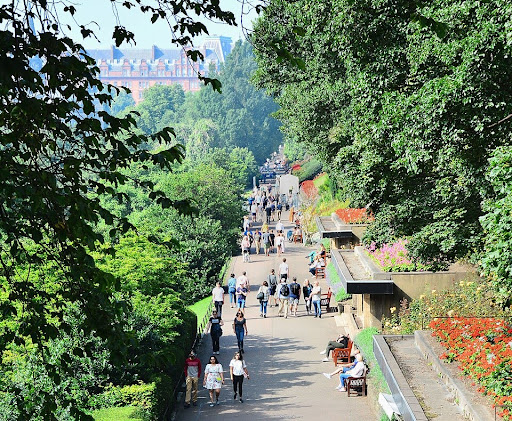
Networking quality often depends on one simple factor: how easy it is to continue a conversation after the session ends. Edinburgh helps because many areas are walkable and easy to navigate. That lowers friction. It becomes normal to say, let us continue this outside, or let us talk during a short walk.
The seasonal weather helps too. Long daylight gives you more flexible time for discussion. This can be useful when you are balancing parallel sessions and still want meaningful contact with the academic community. In other words, the city supports the “in between” moments where collaboration often begins.
If you are attending an academic conference in Edinburgh, it is also smart to think about networking early. Ask yourself which research groups or themes you want to connect with. Then plan to attend sessions where those people are likely to be.
Presenting Research in Edinburgh: Why the Audience Response Can Improve
When you present research in Edinburgh, your impact is shaped by your setting as well as your content. A venue in a place like Edinburgh, known for its intellectual atmosphere, sets a scholarly and high-quality tone, which can encourage more meaningful questions and more useful feedback.
To make the most of this, shape your talk for a mixed audience. Management and business research often attracts people from finance, economics, education policy, and public administration. At an international conference in Edinburgh, you can assume many people are curious, but they may not share your exact vocabulary. Use clear terms. Explain your model in plain language. When you do that, your ideas travel further, and your Q and A becomes more productive.
Turning Conference Energy Into Practical Academic Impact
The strongest impact often happens after the event. Edinburgh supports this because it leaves a clear memory. People remember where they met you and what you discussed, which can improve follow-up success.
During an academic conference in Scotland, practical impact can look like this. A co-authored paper. A special issue idea. A data sharing plan. A research visit. A teaching partnership. These outcomes start with one conversation, but they grow when you keep them alive with clear next steps.
If your goal is to build international partnerships, Edinburgh can be a strong setting. The city already attracts global visitors and students, and it frames your meetings in a serious but welcoming environment.

Conclusion: A Simple Impact Plan You Can Use Before, During, and After
To avoid leaving with only photos and a certificate, use a simple plan. Before the event, set two goals. One for research, one for relationships. This is where the call for papers in Edinburgh becomes more than a deadline. It becomes a reason to clarify what you want to achieve.
During the event, capture evidence. Write down names, key points, and one possible next step after each strong conversation. If you present research in Edinburgh, note the questions you received. They often show what people found unclear, or what they found most valuable.
After the event, turn your notes into action within two weeks. Send two follow-up messages. Make one revision to your paper. Propose one collaboration idea. This is how an Edinburgh academic conference becomes a real step forward in your academic work, not just a short trip.